SEAWEEDS PRICE MONITOR


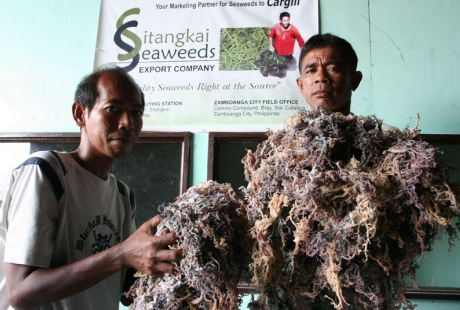
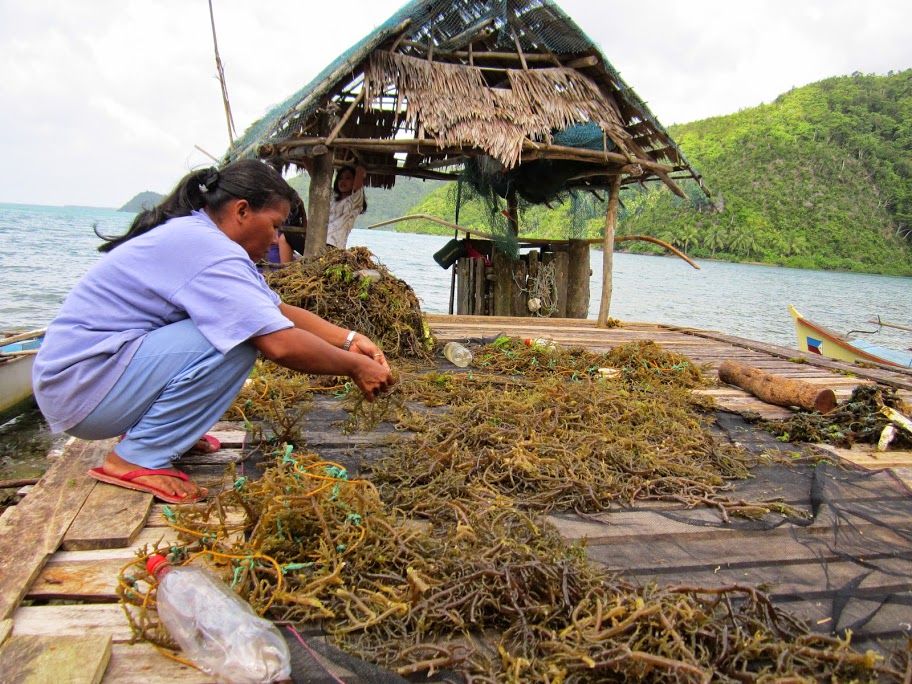
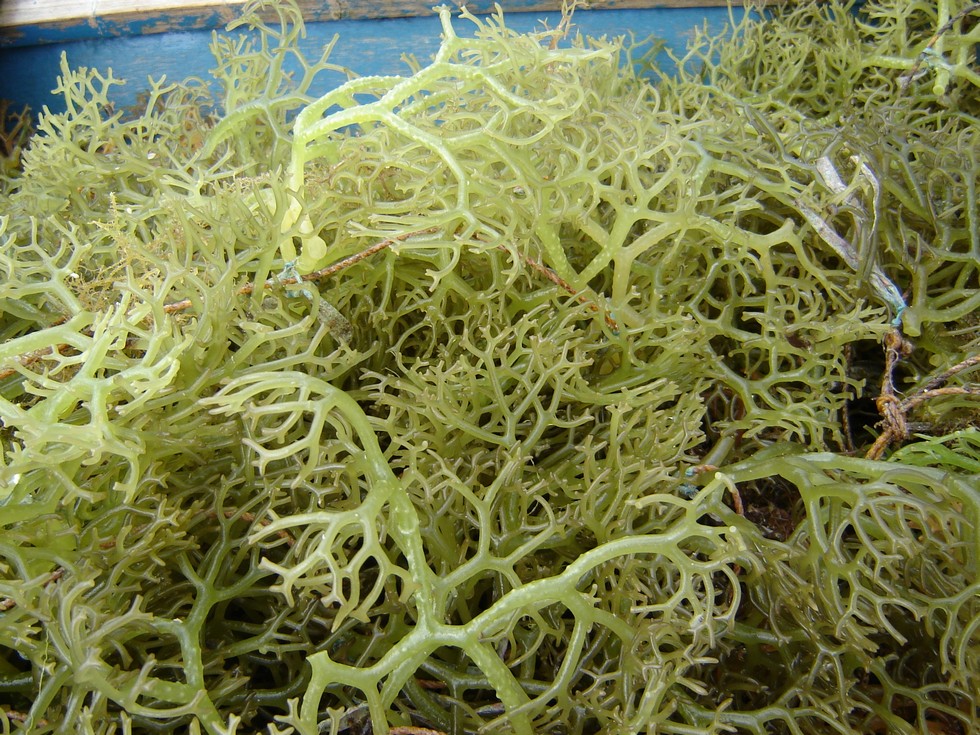
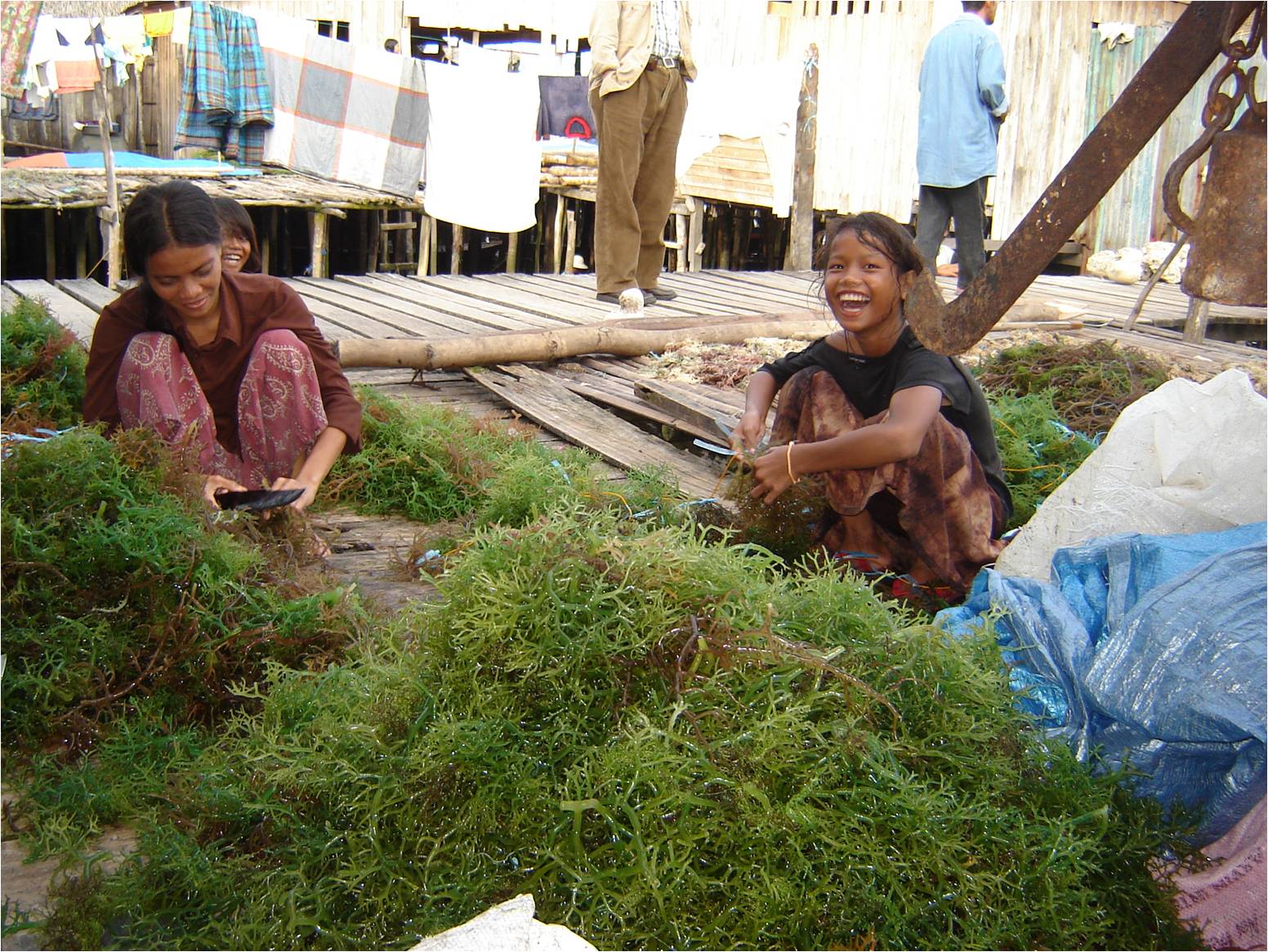
Zamboanga Buying Price
As of January 2010

Week 3
Php 52.4/kilo
MC= 45-50%


FEATURE STORIES


The Philippine Development Assistance Programme, Inc. - PDAP

The Philippine Development Assistance Programme, Inc., started as a consortium of Filipino and Canadian non-government organizations (NGOs). It was founded in 1986 as a non-stock, non-profit organization, to become an effective instrument in reducing poverty and inequity in the Philippines. PDAP prides itself in having 6 member networks with more than 300 community-based members and partner NGOs. PDAP has distinguished itself in promoting and developing rural enterprises for poverty reduction and as a tool in promoting peace in conflict-affected areas.

NEWS AND EVENTS

 
PDAP tapped as value chain expert

The One Pangasinan Alliance of Local Government Units (OPAL) is an economic alliance of seven localities of Western Pangasinan, composed of the Municipalities of Anda, Agno, Bani, Burgos, Mabini and Sual and the City of Alaminos.

In April 2009, OPAL was selected as one of the four LGU Alliances which will take part in the first phase of implementation of the Local Governance Support Program for Local Economic Development (LGSP-LED), a collaborative project of the Governments of Canada and the Philippines with support from the Canadian International Development Agency (CIDA).

Under Phase I (15 months), the OPAL will showcase Sustainable Agriculture as a priority local economic development undertaking that will contribute to poverty reduction in the locale.  This LED project will build on the initiatives of Alaminos City in organic farming technologies and the joint efforts of the member LGUs in sustainable agriculture development. It will also pursue the development and promotion of ecotourism products and services as a complementary source of employment for the OPAL communities and of revenue for the LGUs.

Last December 8 in Sual, Mr. Pacturan gave an orientation to the OPAL members on value chains and industry clusters utilizing PDAP’s experience in its PRIME program, a development project implemented by PDAP and supported also by CIDA.  On December 15 in Bani, Mr. Pacturan and PDAP Program Manager Restie Male facilitated the OPAL planning session participated by the members of the OPAL technical working group. The group identified agri-businesses on organic rice and organic pinakbet (mixed local vegetables) and eco-tourism as priority programs.

The member LGUs of OPAL have been working together for many years before the formal establishment of the Alliance.  In 1995, these LGUs have started to jointly undertake a development program under the “Bayanihan 2020 Program for Sustainable Development.”

The Alliance was organized with the objectives of promoting the creation of business and job opportunities, equitable economic growth, and sustainable sources of incomes by attracting investments in agriculture, and agri-business and tourism.  OPAL members recently signed on as part of the LGU Caucus for Sustainable Organic Agriculture.  The Caucus was set up under the Department of Agriculture-Local Government Unit-NGO-PO partnership called Organic Fields Support Program which trains farmers on organic fertilizer production and promotes organic agriculture.


Partners join trade fair

PDAP again participated in the development trade fair, one of the highlights of the annual Social Development Celebration (SDC), held in Trinoma Activity Center on December 14-16.

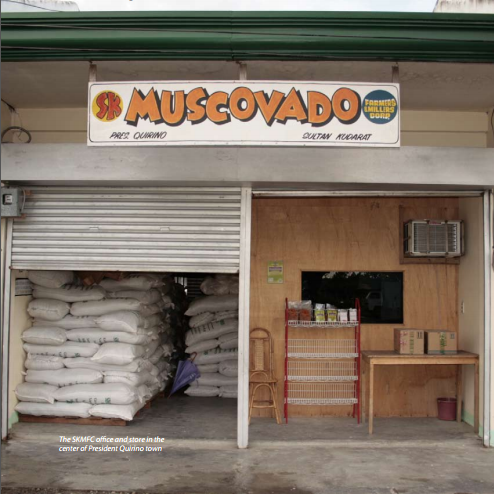
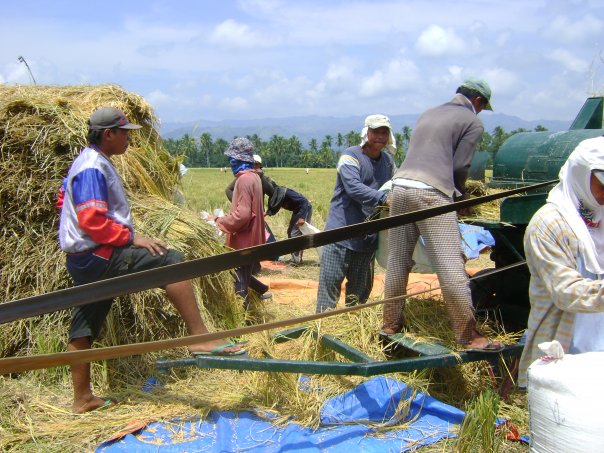
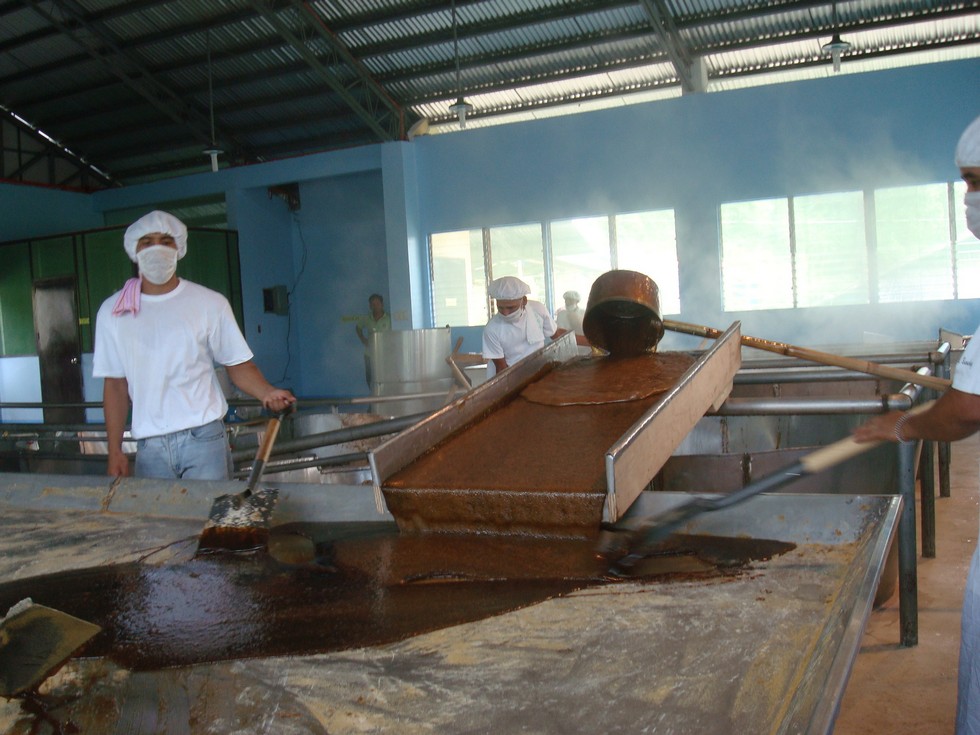
This year, PDAP reserved one booth for partner MEs and LMCs from Luzon, led by KAPPIA, to showcase their products. Products included organic rice of Pecuaria Development Cooperative from Camarines Sur and KOOL-NE from Nueva Ecija, and muscovado sugar from Bangued, Abra.

Other products on sale were sugarcane vinegar, herbal tea and other natural food processed products from other partners.

The event was spearheaded by the Caucus of Development NGO Networks (CODE-NGO) in partnership with the Peace and Equity Foundation (PEF). The SDC was also organized by the Association of Foundations (AF), Foundation for the Philippine Environment (FPE), Foundation for a Sustainable Society, Inc. (FSSI), and Philippine Tropical Forest Conservation Foundation, Inc. (PTFCF).    Aside from CODE-NGO member networks and PEF partnership and access centers nationwide, other NGOs and POs were also invited to participate in the trade fair.

 
Organic Certification eyed after ICS training

by Alfred Allaga


Partners are eyeing for organic certification after participating in the Internal Control System (ICS) training conducted by the Philippine Development Assistance Programme, Inc. (PDAP) for the months of November and December 2009.

Prime-assisted Dujali Free Farmers Multi Purpose Cooperative (DUFFAMCO) and Purok Barangay New Casay Cooperative (PUBANECA) both from the Municipality of Braulio E. Dujali in Davao del Norte completed the four-day Internal Control System (ICS) Training-Workshop for Smallholder Organizations on November 24-27, 2009 held at Mindanao Training Resource Center, Davao City.  Other participants were CARRDEC (Cotabato Agriculture and Resources Research and Extension Consortium); Kibao Sugarcane Planters Cooperative from Matanao, Davao del Sur; Local Government of Braulio E. Dujali; and KAMANEPLA Cooperative from Tulunan, Cotabato another PRIME-assisted coop.

In Iloilo, 23 farmer leaders from the PRIME-assisted Katilingban Sang mga Agraryo Padulong sa Pag-uswag sang Iloilo (KASAPPI-ARBMPC) completed the same training from December 9-11, 2009 at Carmelite Missionary Center of Life, Duenas, Iloilo.   Participants in the two separate training-workshops attended series of lectures in Organic Crop Production based on the Philippine National Standards.  The training discussions focused on Internal Control System, giving participants insights on the importance of strengthening internal regulations in organic farming system. Participants in the two separate training-workshops attended series of lectures in Organic Crop Production based on the Philippine National Standards.  The training discussions focused on Internal Control System, giving participants insights on the importance of strengthening internal regulations in organic farming system.

The field practice allowed participants to demonstrate internal monitoring and inspection using prescribed inspection forms.  At the end of the training, trainees concluded that ICS requires strong commitment and dedication from the organization and the farmers in order to sustain the implementation of internal control.

Organizations that completed ICS training will finalize their ICS manuals.  PDAP will assist in the installation of the ICSs of the said partners.  KASAPPI with assistance from Center for Agrarian Reform and Rural Development (CARRD) will work for the fulfillment of the requirements of third party certification, including the strengthening of its ICS.

Mr. Alfred Allaga, PDAP Program Officer, acted as overall training facilitator.  Ms. Mary Grace Santos, Policy and Advocacy Officer, was co-facilitator for the Davao group.